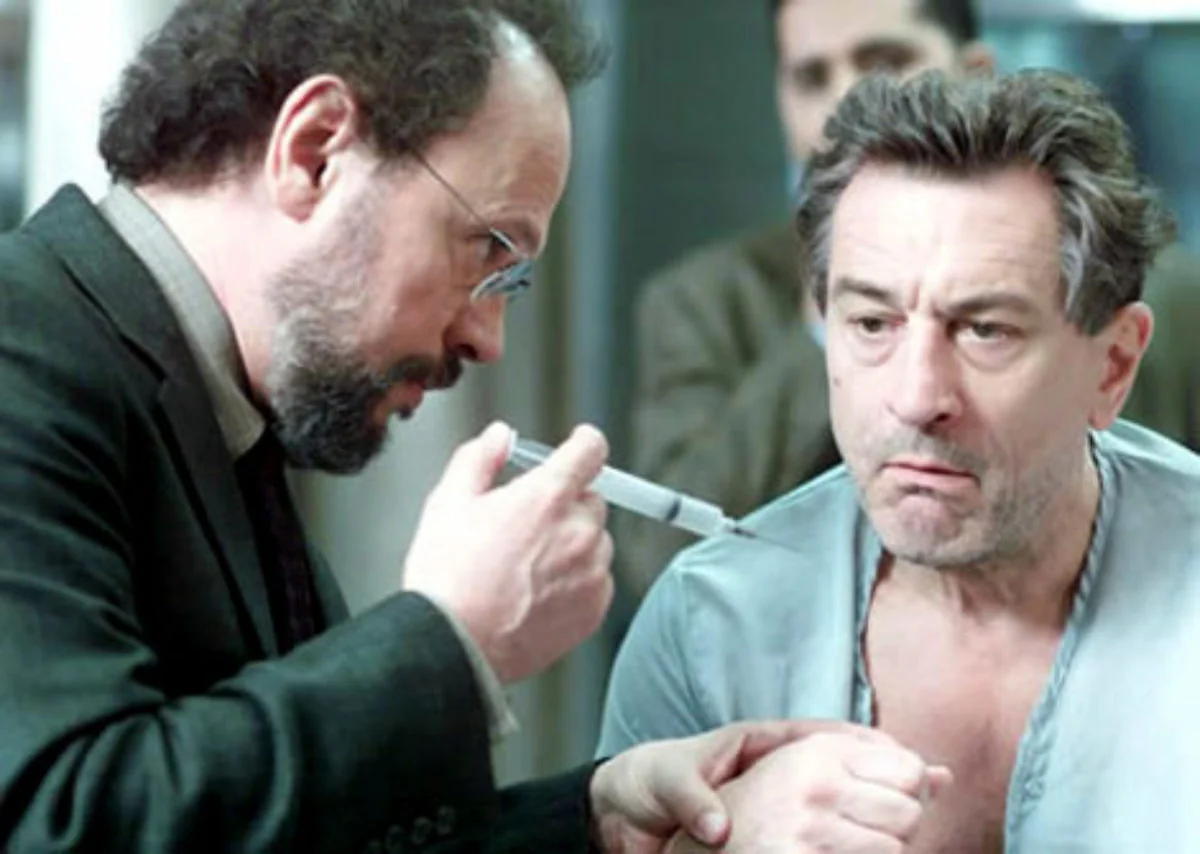
Sopranos Pilot & Analyze This: Same Mafia Premise?
The striking similarities between mafia therapy concepts in the pilot episode of "The Sopranos" and the movie "Analyze This" are truly remarkable, considering they were released within months of each other. Both explore the premise of a mob boss seeking psychiatric help, raising questions about originality and influence.
When the pilot of "The Sopranos," a groundbreaking crime drama, debuted in January 1999, its impact on television was unforeseen. Equally surprising was the release, just two months later, of "Analyze This," a Robert De Niro film centered on a mobster grappling with mental health issues and seeking therapy.
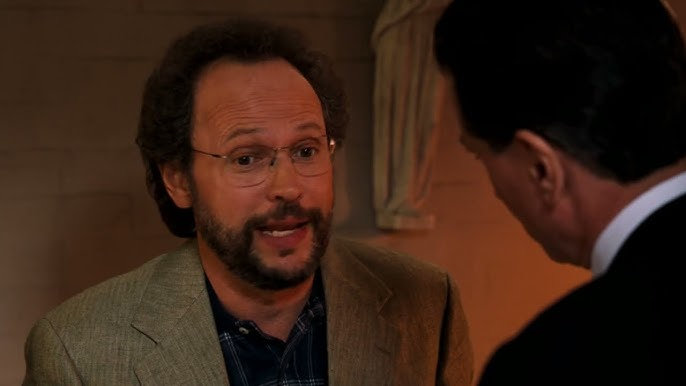
De Niro's role in "Analyze This," alongside Billy Crystal, depicted a mafia don struggling with mental health problems, a setup remarkably similar to the initial storyline of "The Sopranos." While some actors appear in both the series and the movie, there is no apparent connection between David Chase, the creator of "The Sopranos," and the screenwriters of "Analyze This," Kenneth Lonergan and Peter Tolan.
While many shows have tried to emulate "The Sopranos," it's "Analyze This," released in the same year, that bears the closest resemblance to its initial concept.
The Parallel Release of Sopranos Pilot and Analyze This
The "Sopranos" pilot aired on January 10, 1999, and "Analyze This," directed by Harold Ramis, hit theaters on March 5 of the same year. Had "The Sopranos" not evolved beyond its initial premise by the second season, accusations of plagiarism might have surfaced. Both projects were reportedly in development as early as 1996, making it difficult to pinpoint who might have influenced whom.
The creator of "The Sopranos," David Chase, expressed his dismay upon learning about the pre-production buzz surrounding "Analyze This" in the mid-1990s, during the development of his show's first season. The similarities between the pilot episode and the movie's premise are uncanny. Both feature a mafia don seeking psychiatric help to manage panic attacks stemming from his criminal career and unresolved childhood trauma.
Initially, both characters are reluctant to their feelings in therapy, but their respective therapists eventually coax them into opening up.
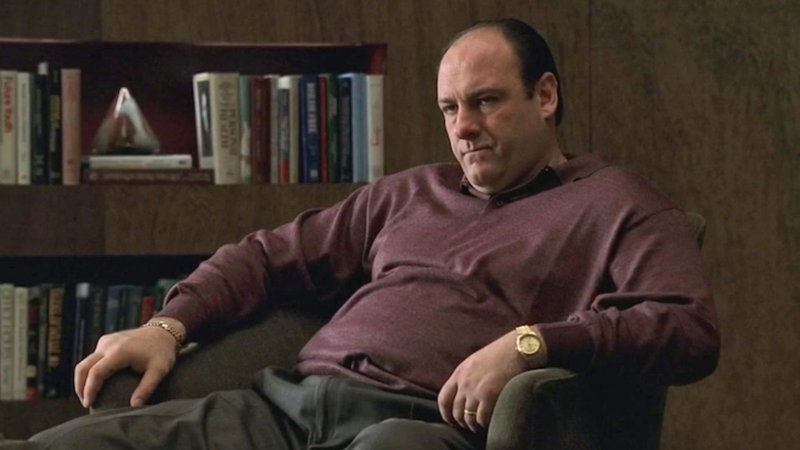
Similarities Between Paul Vitti and Tony Soprano
Paul Vitti in "Analyze This" shares striking similarities with Tony Soprano in terms of demeanor, speech patterns, and initial resistance to exposing his vulnerabilities to a medical professional. Both characters experience panic attacks and erectile dysfunction linked to their mental health, and they both feel responsible for a parent's suffering.
These characteristics contribute to Tony's antihero status in "The Sopranos" and evoke sympathy for Vitti in "Analyze This." The juxtaposition of their macho personas with their inner vulnerabilities generates comedic moments in both the show and the movie.
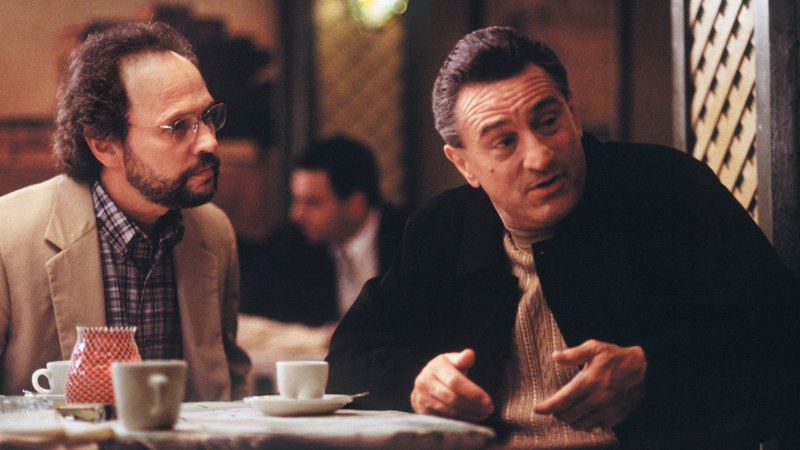
However, while "The Sopranos" is celebrated as one of the greatest TV shows ever, "Analyze This" is generally considered an entertaining but lighthearted comedy. Despite strong performances from Robert De Niro and Billy Crystal, it lacks the depth and intensity of David Chase's television masterpiece.
The simultaneous exploration of mafia therapy in "The Sopranos" and "Analyze This" remains a curious coincidence, highlighting the parallel creative paths that can sometimes emerge in the entertainment industry. While one became a critically acclaimed drama, the other offered comedic relief, both exploring the unexpected vulnerabilities of powerful figures.