Darth Maul: New Star Wars Series Fixes Lucas' Mistake
The upcoming Darth Maul: Shadow Lord Star Wars series is poised to correct a significant error made by George Lucas over two decades ago. This animated sequel to Star Wars: The Clone Wars aims to further develop a character whose potential was initially cut short.
The Clone Wars is celebrated for enhancing George Lucas' prequel era. While the prequel movies faced criticism upon release, their reputation has improved, largely due to the success of The Clone Wars and its expanded universe.
The show addressed some of the prequels' shortcomings. In 2026, Star Wars: Maul – Shadow Lord will continue this trend, solidifying the redemption of a 26-year-old Star Wars misstep.
Star Wars: Maul – Shadow Lord Expands on Darth Maul's Story
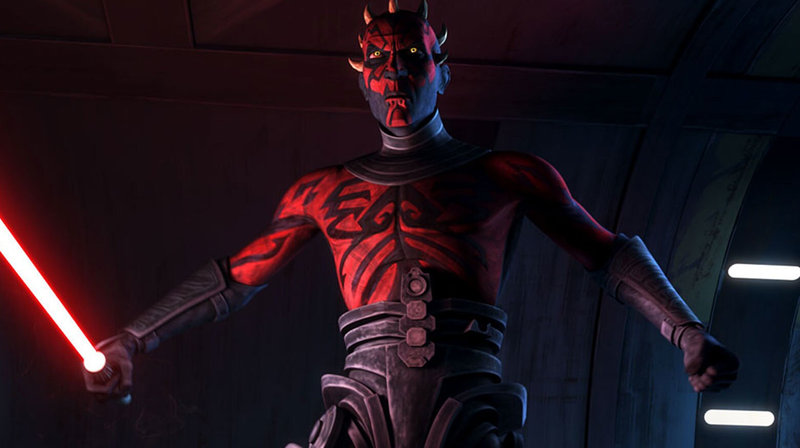
Scheduled for release in 2026, Star Wars: Maul - Shadow Lord promises to be a thrilling animated sequel to Star Wars: The Clone Wars. It will delve into Maul's journey between his appearances in The Clone Wars, Solo: A Star Wars Story, and Star Wars Rebels.
The series will explore Maul's rise to becoming a criminal mastermind. More importantly, it reinforces the correction of a George Lucas error from Star Wars: Episode I - The Phantom Menace.
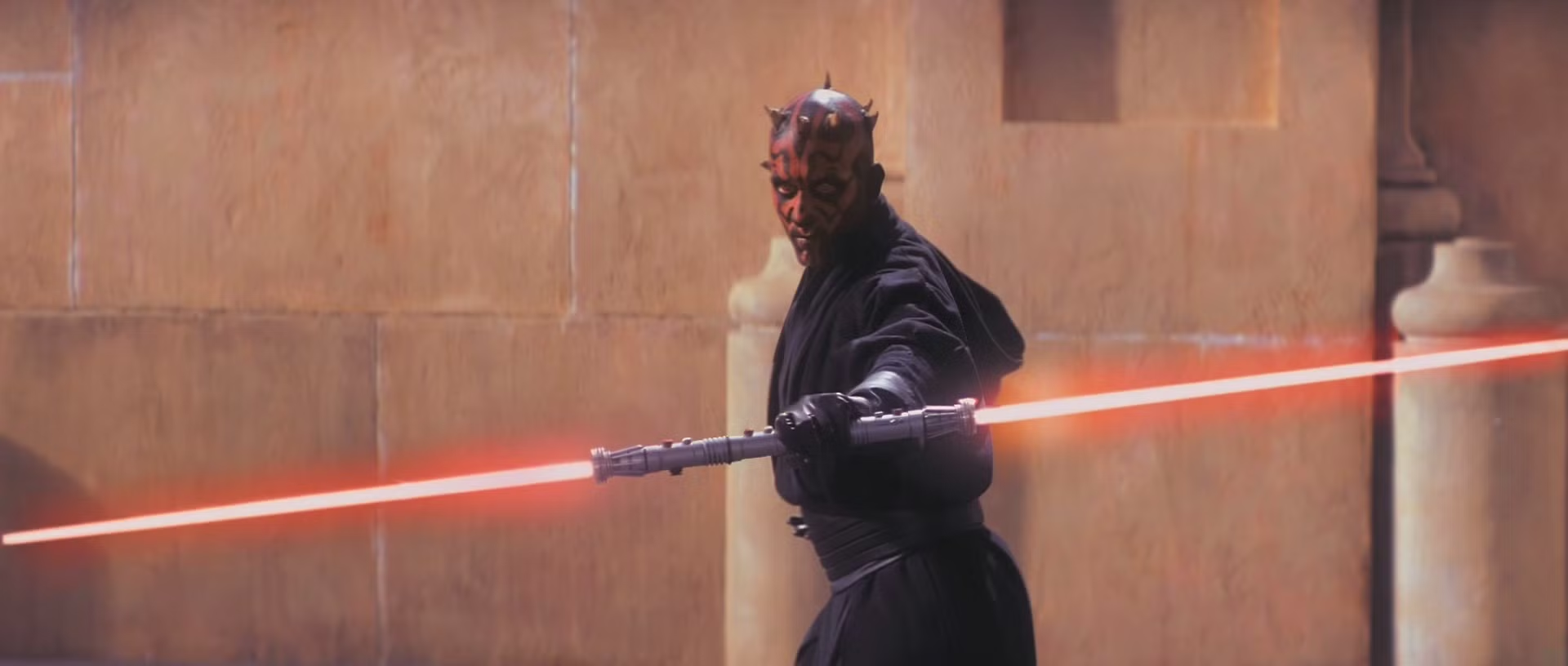
In The Phantom Menace, Obi-Wan Kenobi seemingly killed Maul, a decision that many, including Lucas, later regretted. Maul's menacing presence and potential as a Sith Lord were undeniable. Lucas rectified this by resurrecting Maul in Star Wars: The Clone Wars, explaining his survival through hatred and restoration by the Nightsisters.
Maul: Shadow Lord will make Maul a central character, something missing since his initial appearance. Although he has appeared in several Star Wars stories since his return, this series marks the first time he is the primary , pushing the boundaries even further than The Clone Wars did.
Why Darth Maul's Episode I Death Was Disappointing
The early demise of Darth Maul in Star Wars: Episode I - The Phantom Menace remains a significant disappointment for many fans. His limited screen time and dialogue in the movie meant that his impact relied heavily on his visual design and combat prowess.
Despite his minimal presence, Maul left a lasting impression as a formidable villain, proving the strength of his character's core elements. The subsequent prequels could have further developed Maul, similar to The Clone Wars, but his premature death prevented this.
Other Sith Lords and their allies introduced in the prequels failed to generate the same level of excitement as Maul. Count Dooku and General Grievous, for example, were also underutilized. Lucas could have positioned Maul as the secondary antagonist throughout the prequel trilogy, second only to Darth Sidious.
Instead, Star Wars only scratched the surface of Maul's potential before abruptly ending his story. Star Wars: The Clone Wars effectively reversed this mistake, but the initial disappointment of his death in The Phantom Menace still lingers.

Is There Too Much Darth Maul Now?
With Maul: Shadow Lord on the horizon, some question whether there's an oversaturation of the character in recent Star Wars content. The answer, however, is likely no. Maul is a compelling character who arguably deserves more screen time.
The Clone Wars used him effectively, but only in sporadic appearances throughout seasons 3, 4, and 5. He was absent for much of season 6 and 7, before reappearing in the Siege of Mandalore arc. Maul also had appearances in Star Wars Rebels and Solo: A Star Wars Story.
Despite these appearances, gaps remain in Maul's timeline, creating opportunities for new stories. Maul: Shadow Lord fills this void by exploring his life after Order 66 and his rise to leadership of the Crimson Dawn crime syndicate.
In many ways, Maul: Shadow Lord could be the definitive send-off for the character. It solidifies Lucas' correction of his earlier mistake by making Darth Maul a main character and exploring a fascinating period in his history. After Maul: Shadow Lord, the debate about oversaturation may resurface, but for now, the series promises to deliver a satisfying conclusion to Maul's complex journey.
